
 English
 Deutsch
 한국어
한국어 Русский
 Français
 日本語
日本語 لالعربية
 हिन्दी
 Español
 Português
 繁体中文
繁体中文 简体中文
简体中文


























제품
산업용 전화
IP 전화
SIP 인터콤
voip 게이트웨이
sip 서버
페이징 콘솔
경험
리소스
리소스
Becke 커뮤니티에서 모범 사례를 발견하고, 혁신적인 솔루션을 탐색하고, 동료 파트너와 네트워크를 구축하십시오.
 지식
지식
2026-03-08 09:53:04
Unified Communication Dispatch System: 20 Core Communication Capabilities for Modern Command and Control
Modern industries such as transportation, energy, public safety, and smart citie

Becke Telcom

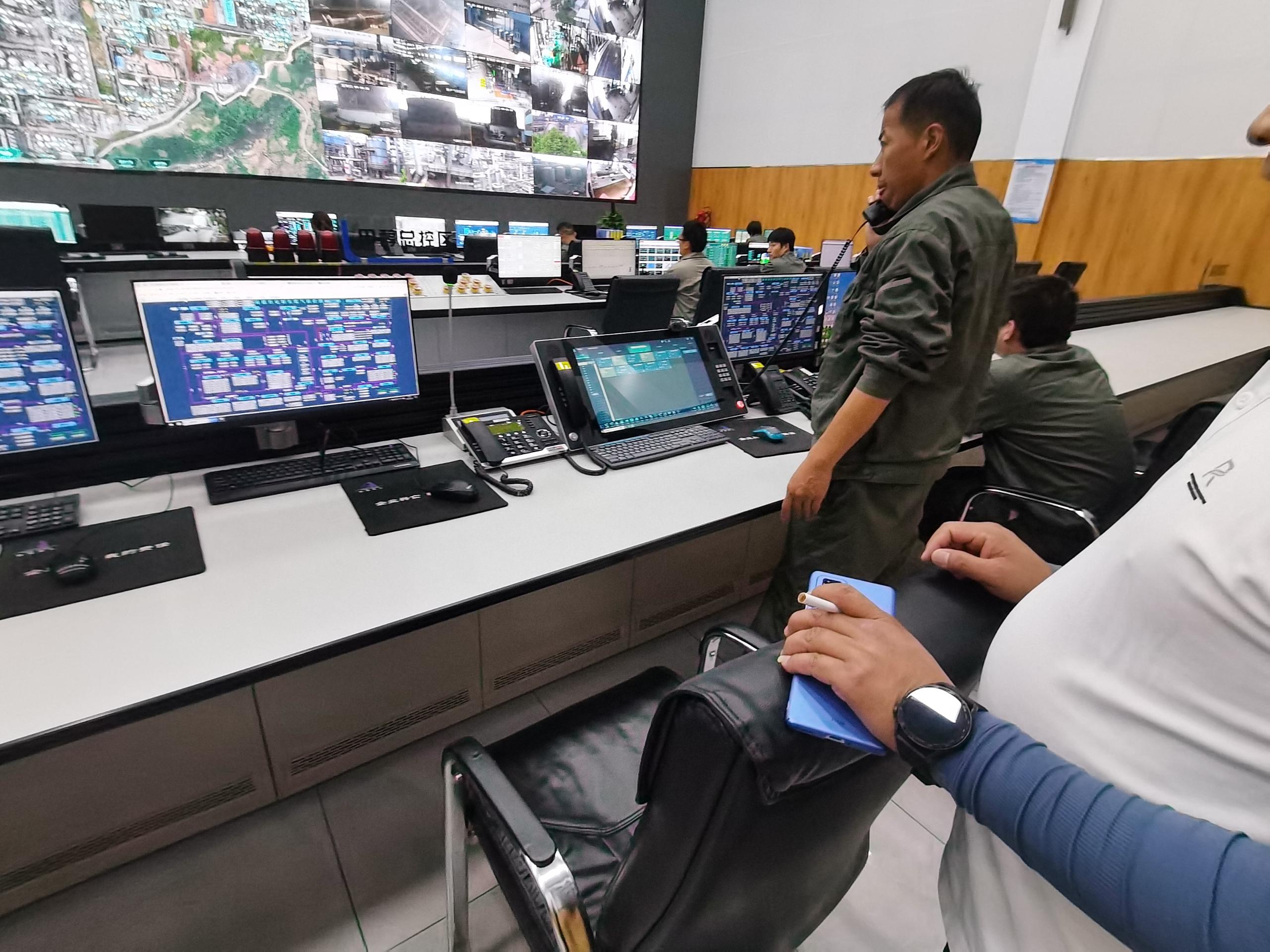
Modern industries such as transportation, energy, public safety, and smart cities require reliable and unified communication platforms to coordinate operations and respond quickly to emergencies. A Unified Communication Dispatch System (UCDS) integrates multiple communication technologies—including telephony, radio dispatch, video, broadcasting, and messaging—into a single platform for centralized command and control.
By integrating traditional and next-generation communication networks, the system allows operators to communicate with people, devices, and field teams through one unified interface. Technologies such as Session Initiation Protocol, Public Switched Telephone Network, and WebRTC play important roles in enabling seamless interoperability between different communication systems.
This article introduces 20 essential communication capabilities that a modern unified communication dispatch system should provide.
Voice Communication Capabilities
1. SIP-Based VoIP Calling
Voice over IP is the foundation of modern communication systems. Using Session Initiation Protocol, the dispatch platform can establish voice calls between IP phones, softphones, and communication terminals.
Key features include:
- Internal voice calling
- External voice calling
- Call routing and call forwarding
- VoIP trunk integration
This capability enables organizations to replace traditional telephone infrastructure with flexible IP-based communication.
2. PSTN Interconnection
Even though VoIP is widely used, many organizations still rely on the Public Switched Telephone Network for external communication.
A unified dispatch system can connect to PSTN networks through:
- FXO gateways
- E1/T1 digital trunks
- VoIP gateways
This ensures communication between IP systems and traditional telephones.
3. Emergency Voice Communication
Emergency calling is a critical feature in command systems.
Typical emergency communication functions include:
- One-touch emergency call
- Priority call routing
- Automatic call recording
- Emergency call escalation
These functions are widely used in tunnels, highways, factories, and public facilities.
4. Group Voice Communication
Group communication allows dispatchers to communicate with multiple users simultaneously.
Common functions include:
- Group call
- Broadcast call
- Conference call
- Paging
This capability is essential for coordinating large teams in field operations.
Radio Communication Integration
5. Digital Radio Dispatch Integration
Unified communication platforms often integrate professional radio systems such as Digital Mobile Radio and Terrestrial Trunked Radio.
These systems are widely used in:
- Public safety
- Transportation
- Industrial plants
- Utilities
The dispatch platform connects radio users with telephone users through radio gateways.
6. Push-to-Talk Communication
Push-to-Talk (PTT) enables instant voice communication similar to walkie-talkies.
Key benefits include:
- Instant call setup
- Group communication
- Low latency voice transmission
PTT is commonly used in security operations and emergency response.
7. Cross-Network Communication
Unified communication dispatch systems allow communication across different networks, including:
- IP networks
- Radio networks
- cellular networks
- satellite communication systems
This capability ensures seamless communication across organizations and geographical locations.
Broadcasting Capabilities
8. IP Public Address Broadcasting
Modern dispatch systems integrate IP-based broadcasting systems.
Using streaming technologies such as Real-time Transport Protocol, the system can transmit live audio to distributed speakers.
Applications include:
- Campus announcements
- Factory broadcasting
- Transportation hub announcements
9. Emergency Broadcast
Emergency broadcasting allows the system to deliver urgent messages across an entire facility.
Typical uses include:
- Fire alarm announcements
- Disaster evacuation instructions
- Industrial hazard alerts
This feature is critical in industrial environments.
10. Scheduled Broadcasting
The system can schedule automated broadcasts at specific times.
Examples include:
- School bells
- shift change announcements
- daily operational notices
Automation reduces manual workload for operators.
Video Communication Capabilities
11. Video Calling
Modern dispatch platforms support video communication between terminals.
Protocols such as H.323 and WebRTC enable real-time video interaction.
Video communication improves situational awareness during incident response.
12. Video Monitoring Integration
Unified dispatch systems can integrate IP camera networks using standards like ONVIF.
Operators can:
- view live camera feeds
- control PTZ cameras
- link video with alarms
This creates a unified command center environment.
13. Video Conference
Dispatch platforms often support multi-party video meetings.
This feature is useful for:
- remote coordination
- emergency command meetings
- operational briefings
Messaging and Data Communication
14. Instant Messaging
Text messaging allows quick information exchange between operators and field personnel.
Functions include:
- private messaging
- group messaging
- status notifications
15. SMS Integration
Dispatch systems may connect to telecom messaging services such as Short Message Service.
This allows:
- alarm notifications
- operational alerts
- emergency notifications
SMS remains reliable even when data networks are congested.
16. Device Status Monitoring
The system continuously monitors communication terminals and infrastructure.
Examples include:
- terminal online status
- network health monitoring
- fault detection
Real-time monitoring ensures system reliability.
Emergency and Alarm Communication
17. SOS Emergency Call Integration
Emergency call terminals installed in public areas can connect directly to the dispatch center.
Typical locations include:
- highways
- tunnels
- airports
- tourist sites
These terminals allow people to request assistance quickly.
18. Alarm System Integration
Unified dispatch platforms can integrate with various alarm systems such as:
- fire alarm systems
- gas detection systems
- intrusion detection systems
When alarms occur, the system automatically notifies operators and triggers communication workflows.
Mobile Communication Capabilities
19. Mobile Dispatch Applications
Mobile applications allow field personnel to connect to the dispatch system through smartphones.
Using modern mobile networks like 5G, users can access:
- voice calls
- video calls
- push-to-talk communication
- GPS positioning
This greatly improves field coordination.
20. Location and GPS Integration
Location services allow dispatchers to track the real-time position of personnel and vehicles.
Benefits include:
- faster emergency response
- improved resource allocation
- enhanced operational visibility
Conclusion
A modern unified communication dispatch system combines multiple communication technologies into a single integrated platform. By supporting voice, radio, video, broadcasting, messaging, and mobile communication, the system enables efficient coordination and rapid response in complex operational environments.
Industries such as transportation, energy, manufacturing, and public safety increasingly rely on unified communication platforms to enhance operational efficiency and ensure reliable communication during emergencies.
As communication technologies continue to evolve, unified communication dispatch systems will play an even greater role in building intelligent and resilient infrastructure for the future.
레이블:


이메일 주소:
핫라인: