경험

경험

모든 산업을 위한 안정적이고 안정적인 SIP 커뮤니케이션 솔루션.

모든 경우

접점

접점

풍부한 글로벌 사례를 보유한 업계 최고의 특수 통신 제공업체. NAT의 방폭 및 SIP 파견 시스템 전원 프로젝트 - 검증된 성공을 거둔 신뢰할 수 있는 파트너.

계속 탐색

운송

공공 안전

Energy Industry

리소스

리소스

Becke 커뮤니티에서 모범 사례를 발견하고, 혁신적인 솔루션을 탐색하고, 동료 파트너와 네트워크를 구축하십시오.

문의
지식
2026-02-04 16:08:48
QoS 메커니즘을 통한 SIP 기반 페이징 및 확성기 전화 시스템의 음성 품질 보장
SIP 기반 확성기 전화 시스템은 DSCP 우선순위, 트래픽 셰이핑, 지터 제어, 적응형 코덱과 같은 QoS 메커니즘을 통해 고소음 환경에서도 안정적인 음성 품질을 보장합니다.

Becke Telcom
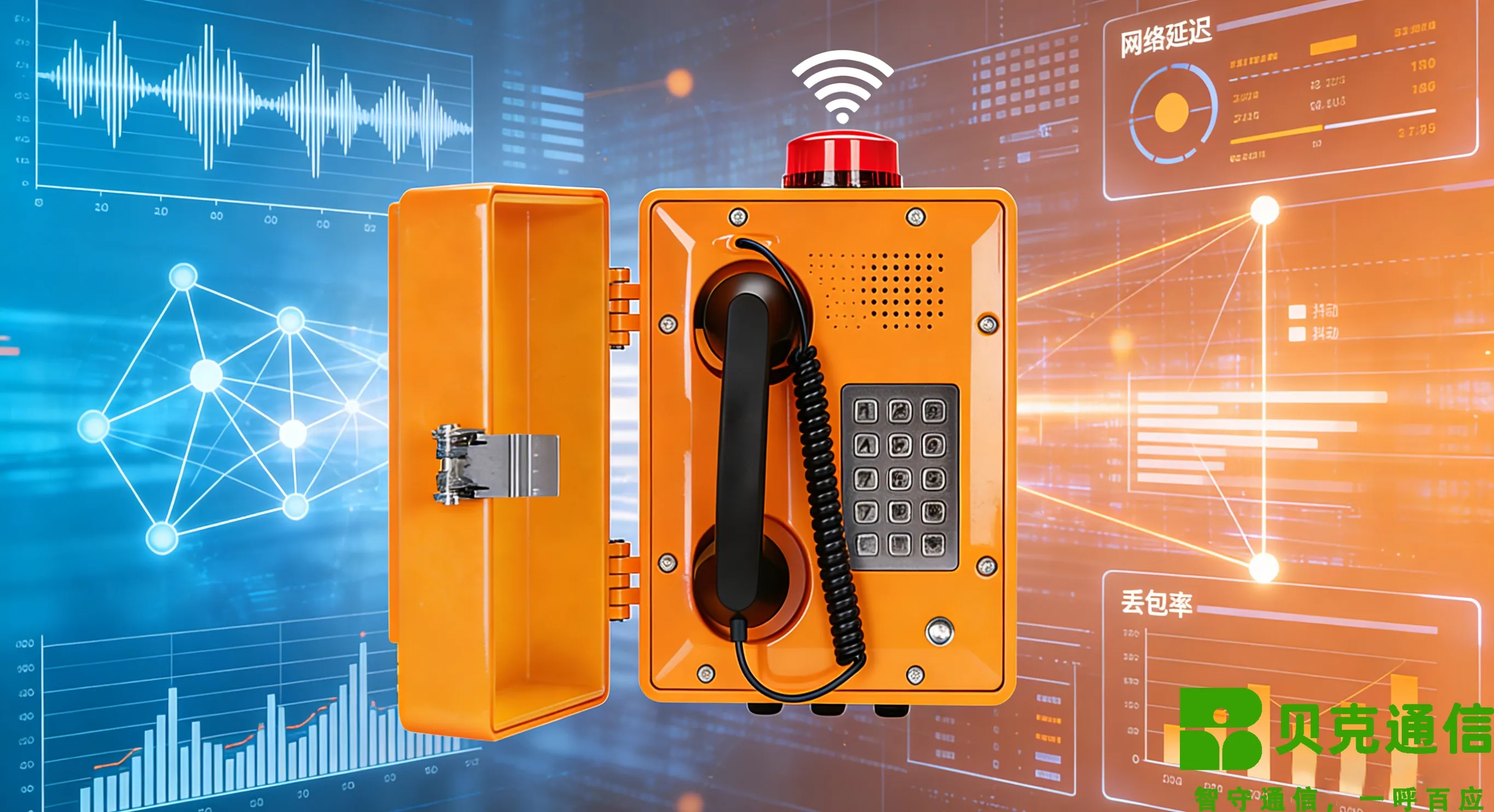
QoS 메커니즘을 통한 SIP 기반 페이징 및 확성기 전화 시스템의 음성 품질 보장

현대 통신 시스템에서 음성 품질은 장비 성능을 평가하는 가장 핵심적인 지표 중 하나가 되었다. 이러한 요구는 특히 지하 광산, 항만, 교도소, 병원, 대형 상업 단지와 같은 고소음 환경에 배치되는 확성기 전화 및 페이징 시스템에서 더욱 엄격하게 적용된다. 이러한 환경에서는 단순한 음성 전달을 넘어, 명확한 가청성, 실시간 응답성, 높은 신뢰성이 동시에 보장되어야 한다.

세션 개시 프로토콜(Session Initiation Protocol, SIP)은 텍스트 기반의 애플리케이션 계층 시그널링 프로토콜로서, 단순성, 유연성, 확장성을 바탕으로 현대 페이징 및 확성기 전화 시스템의 핵심 프로토콜로 자리 잡았다. 그러나 SIP 자체는 음성 품질을 직접적으로 보장하지 않는다. 안정적이고 고품질의 음성 전송은 SIP와 서비스 품질(QoS, Quality of Service) 메커니즘의 결합을 통해 실현된다.

본 문서는 SIP 기반 확성기 전화 시스템에서 QoS가 어떻게 구현되는지, 핵심 기술 요소는 무엇인지, 그리고 열악한 네트워크 및 환경 조건에서도 음성 품질을 보장하는 데 있어 QoS가 수행하는 결정적인 역할을 심층적으로 분석한다.

SIP 확성전화에서 음성 품질을 보장하는 핵심은 QoS 메커니즘이다


1. SIP 확성기 전화 시스템의 동작 원리

SIP 확성기 전화 시스템은 전화 통신과 방송 기능을 통합한 특수 통신 장치이다. 소음 억제 오디오 처리 기술과 고출력 스피커를 결합함으로써, 고소음 환경에서도 원격 지령, 페이징, 인터폰 통신을 가능하게 한다.

시스템 아키텍처는 일반적으로 다음 네 가지 핵심 구성 요소로 이루어진다.

  • SIP 사용자 에이전트(User Agent, UA)

  • SIP 등록 서버(Registrar Server)

  • SIP 프록시 서버(Proxy Server)

  • SIP 리다이렉트 서버(Redirect Server)

이들 구성 요소는 세션 설명 프로토콜(Session Description Protocol, SDP) 정보를 포함한 SIP 시그널링 메시지를 통해 상호 협력하며 통신 세션을 설정하고 관리한다.

1.1 단말 등록

단말 등록은 시스템 동작의 첫 단계이다. 전원이 인가되면 각 SIP 단말은 SIP 서버로 REGISTER 요청을 전송한다. 서버가 단말을 인증하면 200 OK 메시지를 응답하여 등록 절차가 완료된다. 이후 단말은 온라인 상태로 표시되며 통화 또는 방송 세션을 수신할 준비가 된다.

1.2 세션 개시

페이징 또는 인터폰 세션이 시작되면, 사용자 또는 관리 플랫폼은 대상 단말 목록 또는 그룹 식별자와 함께 INVITE 요청을 전송한다. 이 요청에는 지원 코덱, RTP 포트 등 미디어 협상 파라미터가 포함된다. SDP 교환을 통해 미디어 능력 협상이 수행되며, 호환 가능한 오디오 코덱과 전송 파라미터가 결정된다.

1.3 세션 설정 및 미디어 전송

대상 단말은 180 Ringing 또는 200 OK 메시지로 응답한다. 응답이 수집되면 서버는 세션 설정을 확정하고, 호출자와 모든 대상 단말 간에 RTP 미디어 채널을 생성한다.

방송 시나리오에서는 서버 또는 미디어 게이트웨이가 오디오 스트림을 복제하여 모든 가입 단말로 분배한다. 인터폰 시나리오에서는 양방향 RTP 스트림이 설정되어 전이중(Full-Duplex) 통신이 가능해진다.

오디오는 인코딩되어 RTP 패킷으로 캡슐화된 후 UDP/IP를 통해 전송된다. 단말은 RTP 스트림을 디코딩하여 고출력 스피커를 통해 음성을 출력한다. 세션 종료 시 BYE 메시지가 전송되어 리소스가 해제된다.


2. 핵심 QoS 지표와 음성 품질에 미치는 영향

SIP 확성기 전화 시스템의 QoS는 다음 네 가지 핵심 지표를 기준으로 평가 및 최적화된다.

  • 대역폭(Bandwidth)

  • 지연(Latency)

  • 지터(Jitter)

  • 패킷 손실률(Packet Loss Rate)

2.1 대역폭

대역폭은 네트워크 링크의 최대 데이터 전송률을 의미하며, 일반적으로 kbps 단위로 측정된다. 예를 들어 G.711 오디오 코덱은 스트림당 약 80 kbps의 대역폭을 요구한다. 방송 시나리오에서는 동일한 오디오 스트림을 여러 단말이 수신하므로 대역폭 요구량이 크게 증가한다.

이를 해결하기 위해 멀티캐스트 대역폭 할당과 DSCP 기반 우선순위 마킹이 활용되며, 멀티캐스트 음성 트래픽이 유니캐스트 데이터 트래픽과 경쟁하지 않도록 한다.

2.2 지연

지연은 송신자에서 수신자까지의 종단 간 지연 시간을 의미한다. 원활한 음성 통신을 위해서는 지연이 150 ms 이하로 유지되어야 하며, 과도한 지연은 대화 불일치와 에코 인지를 유발한다.

지하 광산과 같은 복잡한 라우팅 환경에서는 지연이 200 ms에 근접할 수 있다. 이를 최소화하기 위해 SIP 시그널링 압축(SigComp) 및 DSCP EF(Expedited Forwarding) 마킹과 같은 기술이 적용된다.

2.3 지터

지터는 패킷 도착 시간의 변동을 의미한다. SIP 확성기 시스템에서는 일반적으로 지터를 30 ms 이하로 유지해야 한다. 과도한 지터는 특히 다수 단말이 동기화된 방송 환경에서 음성 끊김과 재생 불연속을 초래한다.

이를 완화하기 위해 동적 지터 버퍼 알고리즘이 사용되며, 버퍼 크기는 측정된 지터 변동 폭의 최소 두 배 이상으로 설정된다.

2.4 패킷 손실

패킷 손실률은 전송 중 손실된 패킷의 비율을 의미한다. SIP 확성기 시스템은 일반적으로 0.5% 이하의 패킷 손실률을 요구한다. 손실률이 증가하면 음성 왜곡, 명령 누락, 시스템 신뢰성 저하가 발생한다.

SEC(Super Error Correction) 및 IRC(Intelligent Rate Control)와 같은 고급 오류 보정 기술을 적용하면, 최대 3%의 패킷 손실 환경에서도 허용 가능한 음성 품질을 유지할 수 있다.


3. QoS 구현을 위한 핵심 기술

3.1 우선순위 제어

우선순위 제어는 DSCP 마킹과 PHB(Per-Hop Behavior) 매핑을 통해 구현된다. DSCP는 IP 헤더의 6비트를 사용하여 트래픽 우선순위를 분류한다.

SIP 확성기 시스템에서 일반적인 설정은 다음과 같다.

  • RTP 음성 스트림: EF (DSCP 46)

  • SIP 시그널링 스트림: AF4 (DSCP 34–38)

이를 통해 네트워크 혼잡 상황에서도 음성 트래픽이 우선적으로 전달된다.

3.2 트래픽 셰이핑 및 전송률 제어

토큰 버킷(Token Bucket) 기반 트래픽 셰이핑은 트래픽 버스트로 인한 네트워크 과부하를 방지한다. 할당된 대역폭을 초과한 패킷은 폐기되지 않고 버퍼링된다.

SEC 및 IRC 기술은 시스템의 복원력을 더욱 강화한다. IRC는 실시간 네트워크 상태에 따라 오디오 비트레이트를 동적으로 조절하여, 혼잡 시 전송률을 낮추고 대역폭 여유 시 다시 증가시킨다.

3.3 하드웨어 수준의 QoS 협조

대부분의 SIP 확성기 전화는 ARM + DSP 아키텍처를 채택한다. ARM 프로세서는 SIP 시그널링을 처리하고, DSP는 오디오 인코딩 및 디코딩을 담당한다. 고효율 Class-D 파워 앰프는 고출력 음성 출력을 제공한다.

예를 들어 광산용 확성기 시스템에서는 셧다운 제어 핀을 갖춘 Class-D 앰프를 사용하여 저전력 모드를 구현한다. 패킷 손실이 감지되면, 시스템은 앰프 출력을 동적으로 조절하고 대역폭을 재할당하여 음성 명료도와 시스템 안정성을 유지한다.


4. QoS 구현 흐름

QoS 구현은 다음 세 단계에 걸쳐 이루어진다.

세션 설정 단계
INVITE 및 183 응답 메시지의 SDP를 통해 QoS 협상이 수행되며, SDP 오퍼/앤서 메커니즘을 통해 미디어 파라미터와 QoS 요구 사항이 합의된다.

데이터 전송 단계
RTP 패킷은 DSCP 값으로 마킹되며, 네트워크 장비는 우선순위 스케줄링을 적용한다. 하드웨어 협조를 통해 열악한 네트워크 환경에서도 적응형 오디오 출력이 유지된다.

세션 종료 단계
BYE 메시지를 통해 리소스가 해제되고 QoS 할당이 종료된다.


5. 실제 적용 사례

광산 산업
광산 페이징 시스템은 심각한 간섭 환경에서도 지연을 200 ms 이하, 패킷 손실을 0.5% 이하로 유지하여 안정적인 지령 통신을 보장한다.

교도소 시스템
DSCP EF 마킹과 SEC, IRC 기술을 결합하여 가용성 99.98%, 패킷 손실률 0.3% 이하를 달성한다.

의료 시설
병원 SIP 확성기 시스템은 패킷 손실이 1%를 초과할 경우 코덱을 동적으로 전환하며, 응급 통신에서 종단 간 지연을 150 ms 이하로 유지한다.

대형 상업 단지
비상 페이징 시스템은 30초 이내 전 구역 경보를 지원하며, 72시간 백업 전원 운용으로 재난 상황에서도 중단 없는 통신을 보장한다.


6. 모범 사례 및 구성 권장 사항

  • 계층형 QoS 적용: 액세스 네트워크는 IntServ, 코어 네트워크는 DiffServ

  • 동적 코덱 전환 활성화 (예: 패킷 손실 >1% 시 G.711 → G.729)

  • 음성에는 DSCP EF, 시그널링에는 AF4 적용

  • 트래픽 셰이핑 및 버스트 제어 구현

  • QoS와 하드웨어 전력 관리 통합

  • SIP 시그널링에는 TLS, 미디어에는 SRTP 적용

  • 실시간 모니터링 및 자동 QoS 최적화 배포


7. 향후 발전 동향

5G, AI, 엣지 컴퓨팅의 통합은 SIP 확성기 QoS를 한 단계 더 발전시킬 것이다. 네트워크 슬라이싱, AI 기반 혼잡 예측, 엣지 기반 미디어 처리를 통해 보다 지능적이고 적응적이며 에너지 효율적인 음성 품질 보장 시스템이 구현될 것이다.


8. 결론

QoS 메커니즘은 SIP 기반 확성기 전화 시스템에서 음성 품질을 보장하는 핵심 요소이다. 우선순위 제어, 트래픽 셰이핑, 하드웨어 협조를 통해 고소음 및 미션 크리티컬 환경에서도 신뢰성 있는 통신이 가능하다. 기술의 발전과 함께 QoS는 정적인 트래픽 관리에서 지능형 자기 적응형 음성 품질 보장 프레임워크로 진화하고 있다.


레이블:


Becke Telcom은 철도, 터널, 석유 및 가스 및 해양 분야를 위한 산업용 방폭 통신을 전문으로 하며 PA, 인터콤 및 통화가 통합된 PAGA, SOS 및 IP 전화를 제공합니다.


저작권©2012-202Becke Telcom 모든 권리 예약

메시지 남기기

저희에게 제안이나 질문이 있으시면 언제든지 연락주세요!

We use cookie to improve your online experience. By continuing to browse this website, you agree to our use of cookie.

Cookies

Please read our Terms and Conditions and this Policy before accessing or using our Services. If you cannot agree with this Policy or the Terms and Conditions, please do not access or use our Services. If you are located in a jurisdiction outside the European Economic Area, by using our Services, you accept the Terms and Conditions and accept our privacy practices described in this Policy.
We may modify this Policy at any time, without prior notice, and changes may apply to any Personal Information we already hold about you, as well as any new Personal Information collected after the Policy is modified. If we make changes, we will notify you by revising the date at the top of this Policy. We will provide you with advanced notice if we make any material changes to how we collect, use or disclose your Personal Information that impact your rights under this Policy. If you are located in a jurisdiction other than the European Economic Area, the United Kingdom or Switzerland (collectively “European Countries”), your continued access or use of our Services after receiving the notice of changes, constitutes your acknowledgement that you accept the updated Policy. In addition, we may provide you with real time disclosures or additional information about the Personal Information handling practices of specific parts of our Services. Such notices may supplement this Policy or provide you with additional choices about how we process your Personal Information.


Cookies

Cookies are small text files stored on your device when you access most Websites on the internet or open certain emails. Among other things, Cookies allow a Website to recognize your device and remember if you've been to the Website before. Examples of information collected by Cookies include your browser type and the address of the Website from which you arrived at our Website as well as IP address and clickstream behavior (that is the pages you view and the links you click).We use the term cookie to refer to Cookies and technologies that perform a similar function to Cookies (e.g., tags, pixels, web beacons, etc.). Cookies can be read by the originating Website on each subsequent visit and by any other Website that recognizes the cookie. The Website uses Cookies in order to make the Website easier to use, to support a better user experience, including the provision of information and functionality to you, as well as to provide us with information about how the Website is used so that we can make sure it is as up to date, relevant, and error free as we can. Cookies on the Website We use Cookies to personalize your experience when you visit the Site, uniquely identify your computer for security purposes, and enable us and our third-party service providers to serve ads on our behalf across the internet.

We classify Cookies in the following categories:
 ●  Strictly Necessary Cookies
 ●  Performance Cookies
 ●  Functional Cookies
 ●  Targeting Cookies


Cookie List
A cookie is a small piece of data (text file) that a website – when visited by a user – asks your browser to store on your device in order to remember information about you, such as your language preference or login information. Those cookies are set by us and called first-party cookies. We also use third-party cookies – which are cookies from a domain different than the domain of the website you are visiting – for our advertising and marketing efforts. More specifically, we use cookies and other tracking technologies for the following purposes:

Strictly Necessary Cookies
These cookies are necessary for the website to function and cannot be switched off in our systems. They are usually only set in response to actions made by you which amount to a request for services, such as setting your privacy preferences, logging in or filling in forms. You can set your browser to block or alert you about these cookies, but some parts of the site will not then work. These cookies do not store any personally identifiable information.

Functional Cookies
These cookies enable the website to provide enhanced functionality and personalisation. They may be set by us or by third party providers whose services we have added to our pages. If you do not allow these cookies then some or all of these services may not function properly.

Performance Cookies
These cookies allow us to count visits and traffic sources so we can measure and improve the performance of our site. They help us to know which pages are the most and least popular and see how visitors move around the site. All information these cookies collect is aggregated and therefore anonymous. If you do not allow these cookies we will not know when you have visited our site, and will not be able to monitor its performance.

Targeting Cookies
These cookies may be set through our site by our advertising partners. They may be used by those companies to build a profile of your interests and show you relevant adverts on other sites. They do not store directly personal information, but are based on uniquely identifying your browser and internet device. If you do not allow these cookies, you will experience less targeted advertising.

How To Turn Off Cookies
You can choose to restrict or block Cookies through your browser settings at any time. Please note that certain Cookies may be set as soon as you visit the Website, but you can remove them using your browser settings. However, please be aware that restricting or blocking Cookies set on the Website may impact the functionality or performance of the Website or prevent you from using certain services provided through the Website. It will also affect our ability to update the Website to cater for user preferences and improve performance. Cookies within Mobile Applications

We only use Strictly Necessary Cookies on our mobile applications. These Cookies are critical to the functionality of our applications, so if you block or delete these Cookies you may not be able to use the application. These Cookies are not shared with any other application on your mobile device. We never use the Cookies from the mobile application to store personal information about you.

If you have questions or concerns regarding any information in this Privacy Policy, please contact us by email at . You can also contact us via our customer service at our Site.